Accurate Parking Lot Painting for Maximum Visibility and Safety
Accurate parking lot painting remains vital for upholding safety and visibility in high-traffic environments. Distinct, properly marked striping help direct vehicle movement and reduce the odds of collisions. Opting for reflective paints can additionally strengthen visibility, especially in poor lighting situations. Understanding the subtleties of professional coating services can produce considerable rewards. Nevertheless, the implications of these determinations exceed basic visual aesthetics, posing issues about sustained safety and cost-effectiveness.
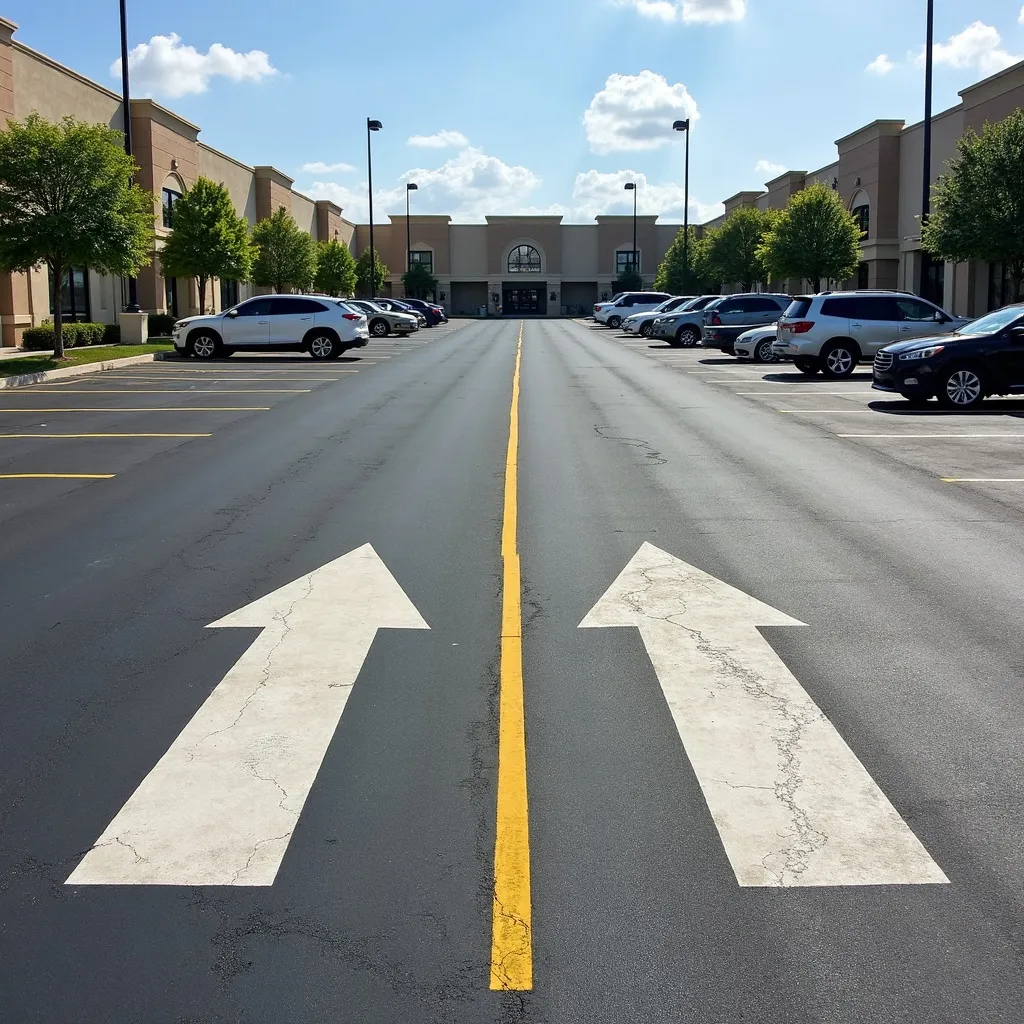
The Importance of Exactness in Parking Lot Security
Although often overlooked, precision in parking lot painting plays an critical role in safeguarding for both motorists and foot travelers. Precise paint applications help navigate cars and copyright structure in crowded settings. Sharp markings delineate parking spaces, traffic lanes, and pedestrian walkways, decreasing the danger of collisions and supporting an systematic progression of traffic.
Additionally, accurate lines improve visibility, particularly during low-light conditions. Distinct, well-defined markings are essential for drivers to quickly identify available spaces and travel securely. Moreover, the proper implementation of colors and symbols is critical; for example, blue markings indicate accessible parking, while yellow and white fulfill different purposes.
Overlooking precision can lead to disorder, increased accidents, and potential liability issues for property managers. Therefore, investing in meticulous parking lot painting is not simply an aesthetic choice but a vital aspect of related article public safety.
Principal Perks of Expert Parking Lot Painting Offerings
Professional parking area painting services deliver several advantages beyond simple aesthetics. A notable benefit is increased safety; clear and well-defined painted lines help managing vehicles, minimizing the risk of accidents. Furthermore, these services boost visibility, especially during nighttime or adverse weather, making sure that drivers and pedestrians can safely traverse the area.
An additional benefit is adhering to local regulations. Professional service providers are well-informed about the legal requirements and regulations, making sure that parking lots meet safety codes. This can help avoid expensive fines and responsibilities for real estate owners.
Moreover, professionally painted lines and symbols can improve the overall aesthetic of the property, creating a welcoming environment for customers. This can positively affect business image and draw in more visitors. Finally, using high-quality, durable materials extends the life of the markings, reducing the need for frequent touch-ups and saving money in the long run.
Best Supplies for Effective Parking Lot Painting
Effective lot striping depends on premium supplies that ensure long-lasting performance and visibility. The selection of paint plays a vital role; water-based acrylic paints are preferred for their fast drying and low environmental effect. In contrast, oil-based paints offer superior durability but require longer drying periods. Reflective agents can improve visibility, especially at dark, making them a valuable addition to any paint mixture.
Line striping thermoplastics are rising in favor for their strength and longevity, delivering a distinct and permanent delineation of spaces. Additionally, suitable primers need to be used to facilitate optimal bonding to various surfaces, including asphalt and concrete. The use of premium protective coatings can shield painted lines from discoloration due to weather and traffic wear. Ultimately, choosing the right products is vital for accomplishing durable and reliable parking lot markings that enhance safety and organization.
Enhancing Driver Recognition Via Visibility
When drivers can clearly see parking lot markings, their safety and awareness considerably improve. High-visibility paint enhances the clarity of lines, symbols, and directional arrows, enabling for motorists to traverse complex parking layouts. This clarity decreases the chances of accidents caused by confusion or misinterpretation of spaces. Well-defined markings also promote compliance to traffic rules, such as giving way to foot traffic and maintaining proper distances between vehicles.
In addition, effective utilization of colors can further elevate visibility. For instance, bright yellow or white markings stand out against asphalt surfaces, notably in low-light conditions. This better visibility encourages a safer environment for both drivers and pedestrians, minimizing the chances of collisions. Ultimately, investing in precision parking lot painting not only strengthens driver awareness but also contributes to a more neat and effective parking experience, promoting overall safety in the area.
Maintenance Guidance for Resilient Parking Lot Paint
Employing a power washer or a appropriate cleaning product can successfully revive the pavement's appearance.|Preserving parking lot paint is important for ensuring sight lines and guaranteeing safety. Consistent evaluations|Routine inspections are necessary; operators should look for fading, chipping, or peeling|fading, chipping, or peeling paint that may diminish legibility|diminish legibility. Regularly maintaining the pavement|Cleaning the surface routinely helps remove|remove grime, residue, and waste|dirt, oil, and debris which can affect bonding and lifespan|affect bonding and lifespan. Using a pressure washer|Using a pressure washer or a suitable cleaning agent|suitable cleaning agent can successfully improve|efficiently restore the surface's appearance|surface's appearance.|vital for keeping visibility clear|maintaining visual clarity and ensuring safe conditions|ensuring safe conditions. Frequent inspections|Regular assessments are critical|essential operators must evaluate|assess fading, chipping, or peeling|fading, chipping, or peeling paint that might obscure markings|impair visibility. Cleaning surfaces on a regular basis|Maintaining regular cleaning schedules helps get rid of|get rid of dirt, oil, and debris|dust, grease, and waste that can diminish strength and bonding|diminish strength and bonding. Utilizing a high-pressure washer|Utilizing a high-pressure washer or a proper cleaning agent|a proper cleaning agent can successfully restore|effectively recover parking lot appearance|parking lot appearance.|Caring for parking lot paint is vital for sustaining visibility and protecting users. Consistent inspections are necessary; operators should identify fading, chipping, or peeling paint that could reduce visibility. Periodically cleaning the surface helps remove dirt, oil, and debris which can harm adhesion and lifespan. Applying a pressure washer or a suitable cleaning product can successfully improve the pavement's condition.
Additionally, applying a protective layer can protect line markings from the outdoor conditions, enhancing durability against environmental factors and vehicle movement. It is recommended to schedule repainting sessions every two to three years, depending on wear and tear, to maintain sharp lines and clear markings. Additionally, opting for high-quality, reflective paint can offer better longevity in comparison to standard options. By following these maintenance tips, property owners can guarantee that their parking lot remains safe and visible for all users, reducing the risk of accidents and improving overall functionality.
Why Investing in Premium Parking Lot Painting Cuts Your Expenses?
Premium parking lot painting is a worthwhile commitment that ultimately generates cost savings. By choosing superior components and professional services, property owners can confirm that the markings stay clear and durable for extensive periods. This longevity lowers the need for frequent repainting, which can be both time-intensive and costly.
Additionally, well-marked parking areas enhance safety and reduce liability risks. Clear lines and designated spaces minimize confusion among motorists, lowering the probability of collisions. This proactive approach can avoid costly attorney costs and claim payouts.
Additionally, attractive and well-maintained parking lots can increase property value and client impression. A visually appealing lot draws more visitors, conceivably increasing revenue for businesses. Essentially, allocating funds toward quality parking lot painting not only decreases ongoing maintenance expenses but also promotes a safer, more inviting environment, ultimately yielding substantial financial savings.
Common Inquiries Asked Often
How Often Should I Repaint My Parking Space Lines?
Parking lot lines ought to be repainted every 1 to 2 years, depending on environmental factors and damage. Consistent maintenance guarantees clear legibility, promoting safety for both vehicles and pedestrians in the parking area.
How Does Parking Area Paint Affect the Natural World?
Ecological damage from parking lot paint involves possible volatile organic compound releases, which worsen air pollution, and runoff with chemicals that may negatively impact local ecosystems. Choosing eco-friendly options can considerably mitigate these negative effects.
Should I Mark My Parking Lot Lines Without Professional Help?
Yes, an individual can paint parking lot lines themselves. However, they should consider local requirements, use appropriate materials, and guarantee proper techniques for longevity and visibility to obtain professional-looking results.
What Safety Procedures Are Observed During Paint Jobs?
Throughout the painting process, vital safety steps demand wearing high-visibility vests, deploying cones to mark work areas, ensuring proper ventilation for fumes, keeping tools in proper working order, and abiding by local regulations for signage and traffic management.
How Can Weather Influence Parking Lot Painting Projects?
Weather substantially governs parking lot painting projects. Rain can lengthen drying times, while extreme temperatures may alter paint adhesion and durability. Windy conditions can generate overspray, affecting precision and overall quality of the finished work.